2026 Washington Legislative Session Debrief: Surfrider Priorities in a Tough Short Session
The 2026 Washington legislative session wrapped up after a fast-paced 60-day sprint in Olympia. Short sessions move quickly under the best of circumstances, but this year, lawmakers were also grappling with a significant state budget deficit. With much of the Legislature’s attention focused on balancing the budget, relatively few new policy bills made it across the finish line.
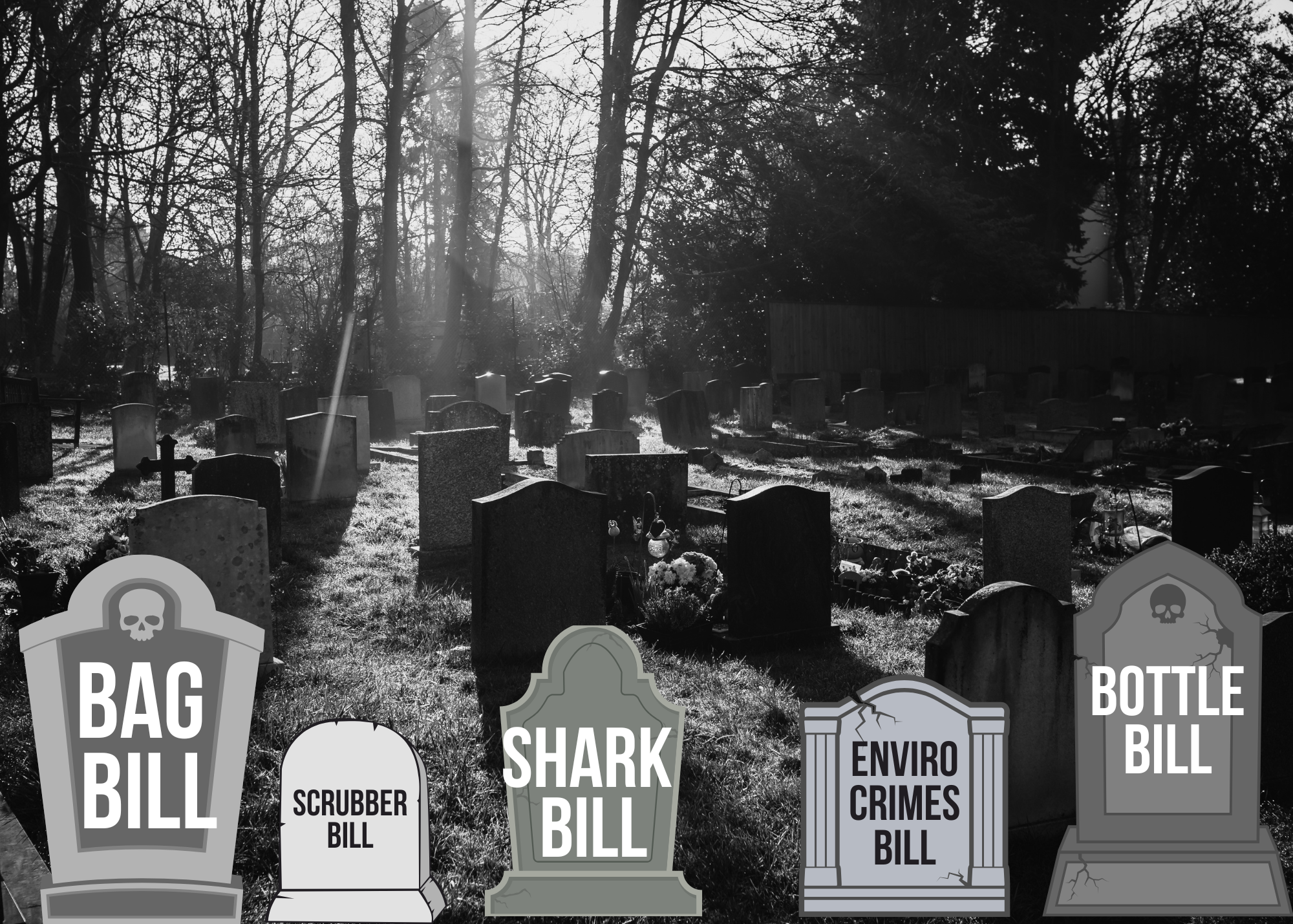
While none of Surfrider Washington’s 2026 legislative priorities ultimately passed this year, our coalitions made important progress in building awareness around ocean and coastal protection issues in Olympia. Hearings were held, legislators engaged with advocates, and conversations began that will help shape future policy efforts.
Below is a closer look at our priority bills and where they stalled during the legislative process
Bottle Deposit Program (HB 1607 / SB 5502)
Prime Sponsors: Monica Stonier (House) / June Robinson (Senate)
This legislation proposed creating a statewide beverage container deposit program with a refundable 10-cent deposit on bottles and cans. Deposit programs are one of the most effective tools for increasing recycling rates and reducing litter, including the beverage containers frequently found in beach cleanups and roadside litter surveys.
The House version of the bill advanced through both the House Environment & Energy Committee and the House Appropriations Committee, demonstrating strong early support for the policy concept.
However, HB 1607 ultimately stalled in the House Rules Committee and did not receive a vote on the House floor. Without a House vote, the bill could not advance to the Senate for consideration this year. The Senate companion bill also did not advance before legislative deadlines. Despite the setback, the proposal generated significant support and progress towards Washington’s recycling system and the growing problem of beverage container litter across the state.
Better Bag Ban (HB 2233 / SB 5965)
Prime Sponsors: Liz Berry (House) / Liz Lovelett (Senate)
Washington’s plastic bag ban, passed in 2020, helped reduce single-use plastic bags across the state. However, the law left a loophole allowing thicker plastic film bags to be sold as “reusable,” even though many of these bags are used only once and often become litter.
The Better Bag Ban legislation aimed to close that loophole by eliminating thicker plastic checkout bags and strengthening Washington’s existing plastic reduction policy.
While these bills were very popular amongst the public and legislators, we were caught in somewhat of a catch-22, where if paper alternatives were not cheap, it was deemed unaffordable for the public, but the cheaper you make them, the more difficult it is for stores to break even. Unfortunately at the last few hours before cutoff, an amendment in the Ways and Means committee eliminated the ban on plastic bags and just increased the price of thick plastic bags. Our coalition and our bill sponsors decided to kill this bill so we could come back and continue our preferred strong policy next year.
Scrubber Pollution from Cruise Ships (SB 5519 / HB 1652)
Prime Sponsors: Liz Lovelett (Senate) / Debra Lekanoff (House)
Surfrider supported legislation to prohibit cruise ships from discharging exhaust scrubber wastewater into Washington waters. Scrubber systems allow ships to burn heavy fuel oil while “scrubbing” pollutants from the exhaust. Instead of releasing the pollution into the air, the system transfers it into wastewater that is discharged directly into marine ecosystems. The resulting wastewater can contain heavy metals, hydrocarbons, and acidic compounds.
While the bill generated interest and discussion among lawmakers, it did not receive a committee vote before the February 4 policy cutoff. We worked closely with Senator Lovelett, and this was a good year to socialize this policy, as well as send a message to the cruise ship industry that if they don't voluntarily comply, then it could turn into law soon.
Environmental Crimes Accountability (SB 5360)
Prime Sponsor: Yasmin Trudeau
SB 5360 sought to strengthen Washington’s environmental enforcement tools by allowing felony-level penalties for the most serious pollution violations and repeat offenders. Currently, some significant environmental violations may still be prosecuted only as misdemeanors under state law. The bill aimed to create a stronger deterrence for major pollution incidents.
The bill passed the Senate after a long debate, but failed to make it out of committee in the House. We are planning to do considerable stakeholder engagement during this interim and come back strong with this piece of legislation. In the meantime, it should give polluters and corporations more pause before willingly breaking the law or endangering our natural resources.
Protecting Sixgill Sharks (SB 5583)
Prime Sponsors: Debra Lekanoff (House) / Jesse Salomon (Senate)
Surfrider also supported legislation to designate the Bluntnose Sixgill Shark (Hexanchus griseus) as our official state shark. These deep-water sharks are a rare and ecologically important species in Puget Sound and the Salish Sea. The proposal aimed to educate our citizens about this rare and elusive creature. We protect what we love and we love what we know - bills like this raise awarenes and instill a sense of stewardship and connection to otherwise unseen creatures.
However, the bill did not receive a policy committee vote before the February 4 cutoff, which meant it could not advance further during the 2026 session. This was likely due to the short and contentious nature of this year’s session.
What just happened???
Several factors contributed to the outcome of Surfrider’s priorities this year. First, the 60-day short session leaves very little time for new policies to advance. Bills must move quickly through committees and floor votes, and many proposals simply run out of time.
Second, the state budget deficit dominated legislative attention. With lawmakers focused on balancing the state budget, many policy bills faced additional hurdles—particularly those with potential fiscal impacts. Affordability was a top priority, and any policy that was even perceived to increase costs for either consumers or the state got the proverbial axe.
Third, new environmental policies often take multiple sessions to pass. Many major environmental laws in Washington—from plastic bag reductions to oil spill protections—required years of advocacy before finally crossing the finish line.
Although these bills did not advance this year, the work done during the 2026 session laid important groundwork for the future. Surfrider Washington will continue working with legislators, coalition partners, and community advocates to refine these policies and build the momentum needed for passage in upcoming sessions.
Protecting Washington’s coastlines and the Salish Sea requires persistence. Each hearing, coalition meeting, and conversation with lawmakers helps move these ideas closer to becoming law. To everyone who contacted legislators, testified in hearings, or supported this work—thank you. Your advocacy helps ensure that ocean and coastal protection remain part of the conversation in Olympia.
We look forward to continuing this work together.
Every end is a new beginning. Onward!