
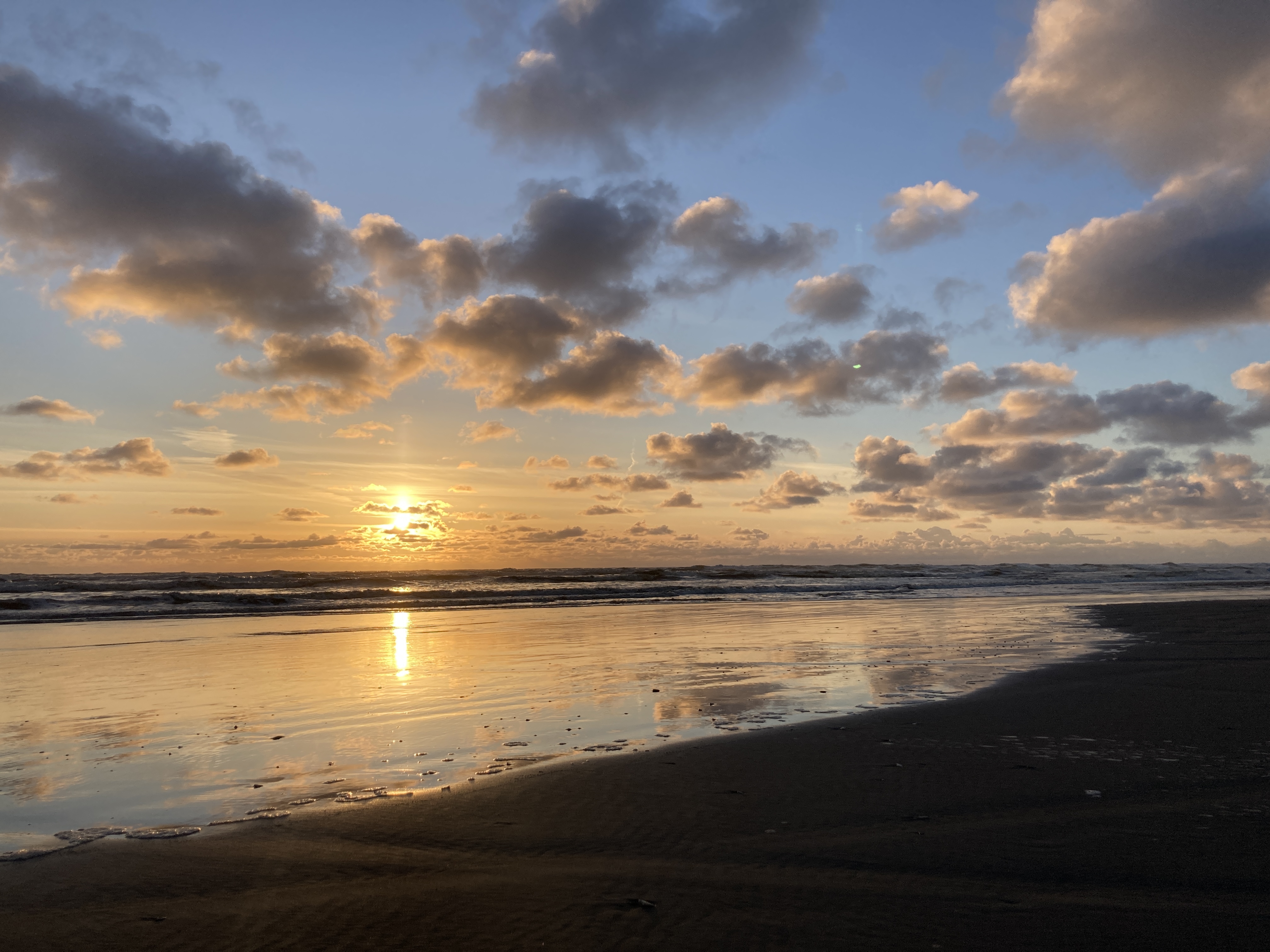
This May, coastal scientists, Tribal leaders, resource managers, educators, and advocates gathered in Ocean Shores for the 2026 Olympic Coast Ocean Acidification Sentinel Site (OASeS) Symposium — a powerful reminder that the future of our ocean depends not only on good science but on relationships, stewardship, and shared responsibility.
Hosted over three days on Washington’s coast, the symposium centered on understanding and responding to ocean acidification and climate impacts along the Olympic Coast. But just as importantly, OASeS highlighted that durable ocean protection must be grounded in Tribal sovereignty and co-management.
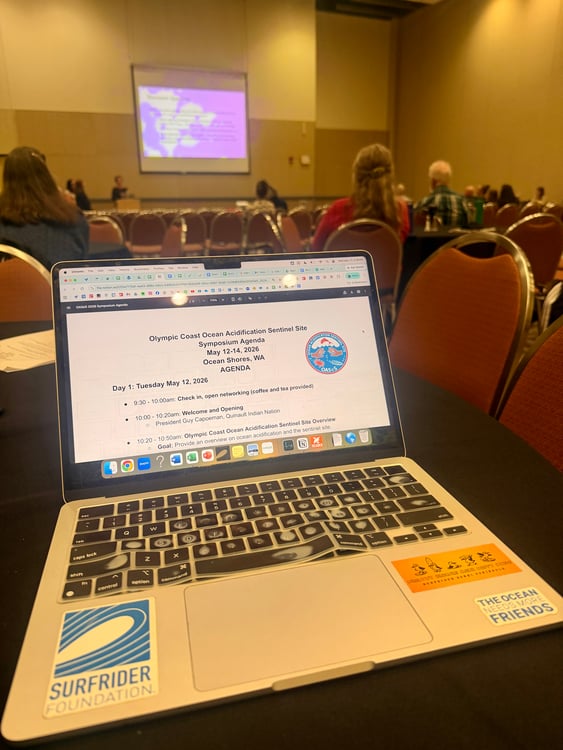 So much science, so little time!
The symposium opened with remarks from Quinault Indian Nation President Guy Capoeman and featured Tribal leaders, knowledge holders, and fisheries managers throughout the agenda. Sessions on Indigenous knowledge, cultural values, restoration, and fisheries resilience underscored the reality that Tribal Nations are not stakeholders in coastal management — they are sovereign governments with generations of stewardship knowledge and legal rights that must remain central to decision-making.
From the Makah Tribe’s Ocean Acidification Action Plan to Quinault-led fisheries management and watershed restoration efforts, the symposium demonstrated how Tribal Nations are already leading adaptation and resilience work on the frontlines of climate change. A highlight was the Tribal Knowledge Cafe, where elders and knowledge holders talked story, sharing their experiences and how those experiences have changed over time. It really drove home the importance of shifting our Western narratives from resource extraction to reciprocity and relationship, and gave new meaning to our Surfrider slogan encouraging folks to "be a friend of the ocean." Because we have a relationship with the ocean, and friends don't trash their friends.
Another key takeaway was the importance of our advocacy on the federal level. This symposium reinforced why federal investment in ocean science and monitoring programs matters so deeply. Many of the partnerships, research efforts, and educational programs showcased at OASeS rely on NOAA support, including NOAA Fisheries, the Olympic Coast National Marine Sanctuary, NOAA’s Ocean Acidification Program, Sea Grant, and regional observing systems like NANOOS. These programs provide the science, monitoring infrastructure, forecasting tools, and community partnerships that coastal communities need to prepare for rapidly changing ocean conditions.
Recent funding cuts have taken several oceanographic buoys offline at a time when oceans are changing more quickly, and real-time data are critical. Ocean acidification threatens shellfish, salmon, Dungeness crab, and the broader food webs that sustain coastal cultures and economies, and cuts to NOAA funding weaken the very systems helping communities respond. Sessions throughout the symposium focused on projected impacts to razor clams, salmon, sablefish, corals, kelp forests, eelgrass, and Washington’s Dungeness crab fishery — all species and ecosystems deeply connected to recreation, tourism, Tribal lifeways, and local economies.
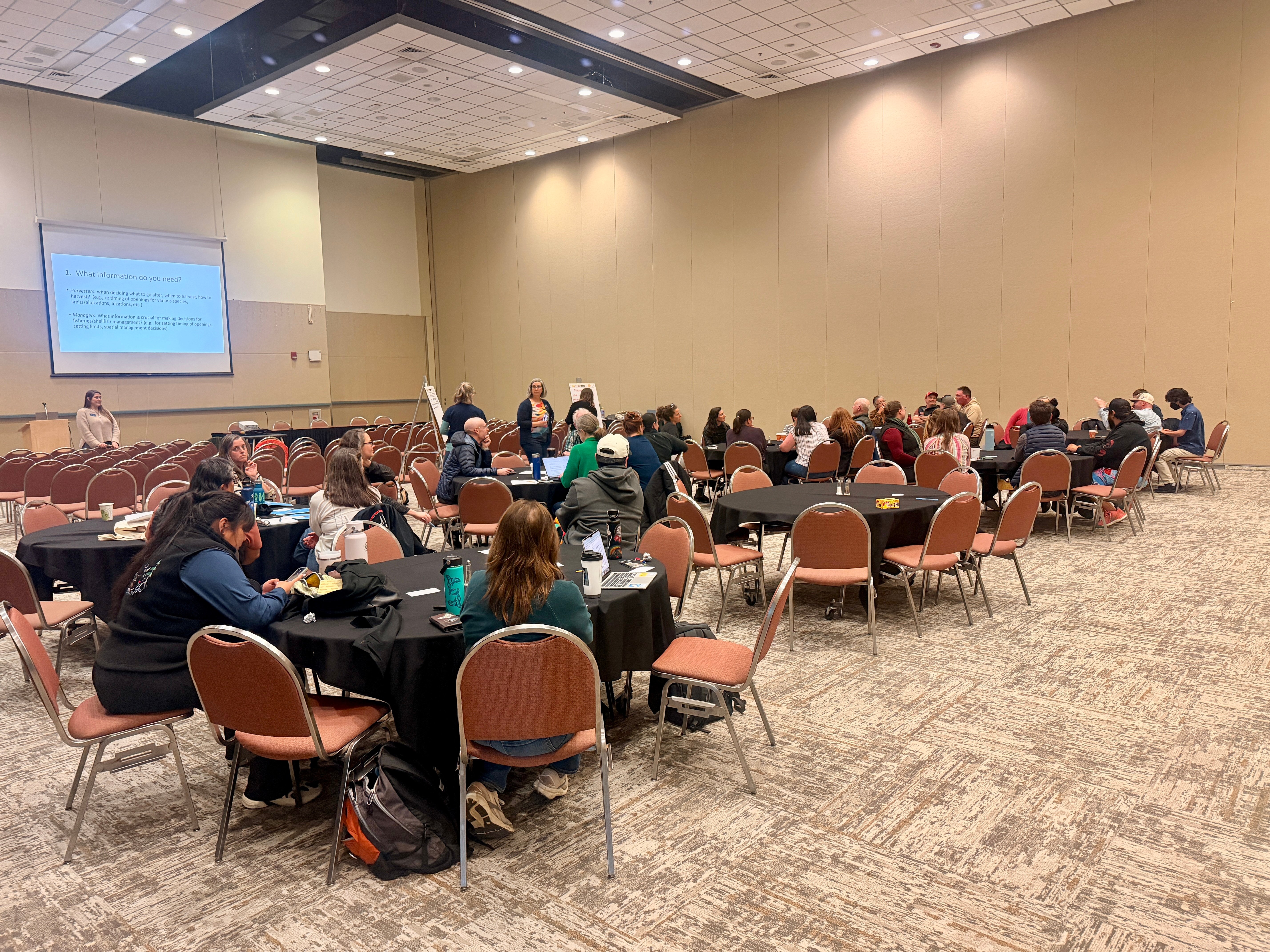
The symposium also emphasized the importance of community science, education, and accessible ocean data. Whether through student monitoring programs, local resilience planning, or collaborative fisheries discussions, OASeS demonstrated that climate resilience is strongest when communities are empowered with information and meaningful participation. A great example of this is the Backyard Buoy program, which leverages low-cost marine technology to "enable coastal and indigenous communities to gather and use wave data, enhancing their blue economy and hazard protection."
OASeS's collaborative model — where Tribal Nations, agencies, scientists, and communities work together while respecting sovereignty and traditional knowledge — should serve as a blueprint for coastal management nationwide. For decades, Tribal Nations along Washington’s coast have defended treaty rights, protected marine ecosystems, and stewarded ocean resources through changing environmental conditions. As climate impacts accelerate, co-management is not simply a policy framework; it is one of the strongest tools we have for building resilient coastal futures.
At Surfrider Washington, we are just one small player in a collective fight to support the marine systems that support us. This symposium, coming so soon after our Coastal Recreation Hill Days, really brings home the value of our grassroots organization and our advocacy to fund the vital federal programs that support our coastal communities and economies, stop offshore oil drilling, and support coastal management rooted in environmental justice.
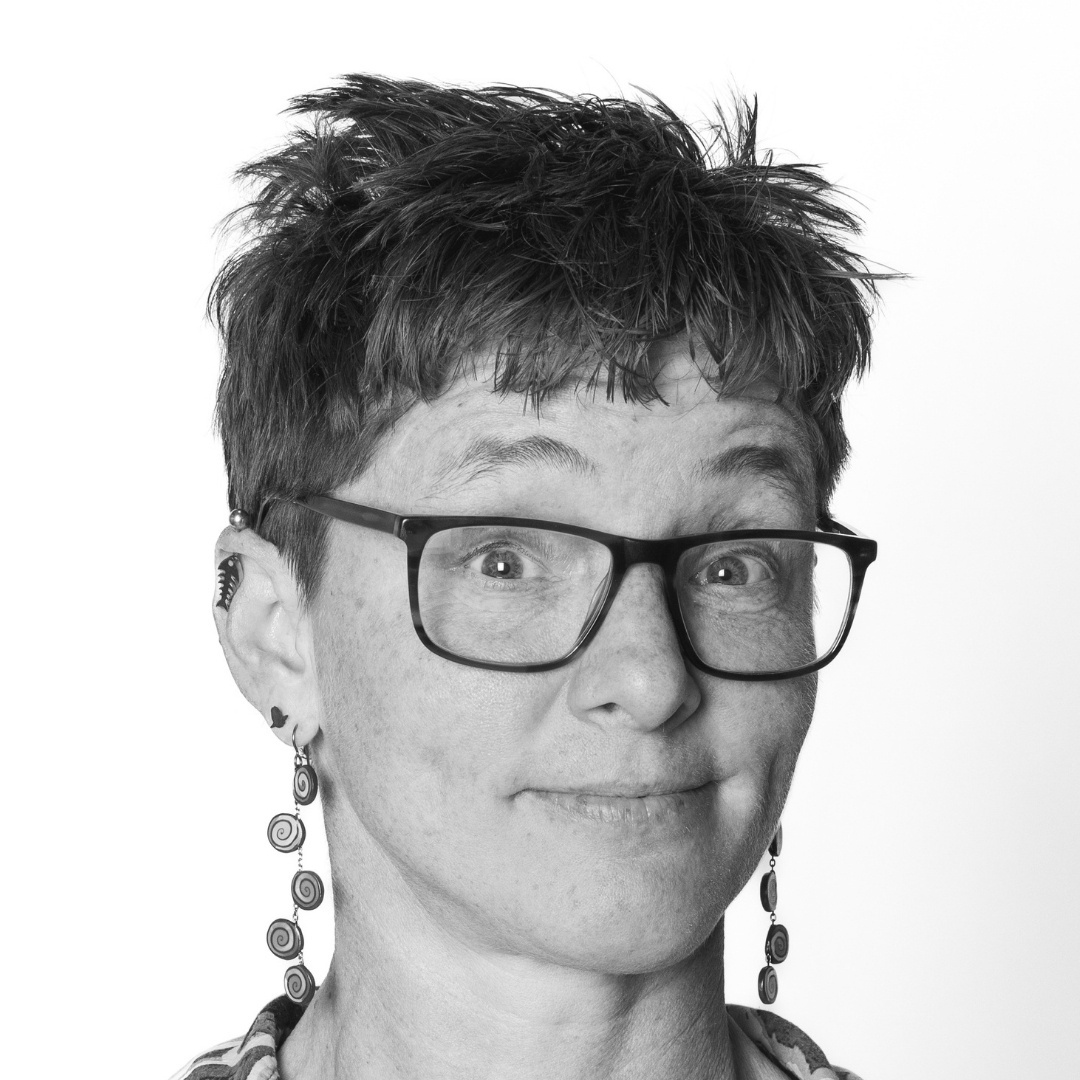 While completing her master's degree in Sustainable Development & Conservation Biology from the University of Maryland, Liz taught sustainability to undergraduate students while also volunteering as a docent at the Smithsonian Natural History Museum’s Ocean Hall. As Washington and Alaska Regional Manager, she supports the organization's six Washington chapters and the Kenai Peninsula Chapter in their amazing work.